Author: gaddo

  • Conflict Management Training

    Conflict Management Training

    Summary: 

    Conflict Management provides delegates with an understanding of conflicts; how they arise, and how they can be managed and prevented. Delegates will learn essential communication skills to enable them to deescalate aggressive situations and support those affected by bullying. The course is designed to suit all staff so as to ensure a safer working environment and positive attitudes.

    Content:
    • Course introduction
    • Recognising when behaviour becomes aggressive
    • Identifying and eliminating bullying and intimidation
    • When should a situation be taken further?
    • Communicating with both sides
    • Managing safety of self and others
    • Reducing or eliminating future conflicts
    • Encouraging positivity in the workplace
    • Behaviour management

  • Managing Challenging Behaviour

    Managing Challenging Behaviour

    Summary:

    Managing Challenging Behaviour training equips delegates with an understanding of how to assess behaviour so as to determine when it may change, and the factors leading to this. Delegates will learn about different types of challenging behaviour and will gain confidence in dealing with the impacts of these, so as to ensure the safety of staff, patients and themselves. The course is designed for any care sector staff who may come into contact with patients displaying challenging behaviour, but it can also be tailored to suit other sectors where challenging behaviour could be an issue.

    Content
    • Course introduction
    • Remaining compliant
    • what is challenging behaviour?
    • Types of behaviour
    • Contributing factors
    • Behavioural changes
    • Impacts of challenging behaviour
    • Managing the impacts
    • Assessing behaviour

  • Fire Safety Training

    Fire Safety Training

    Summary: 
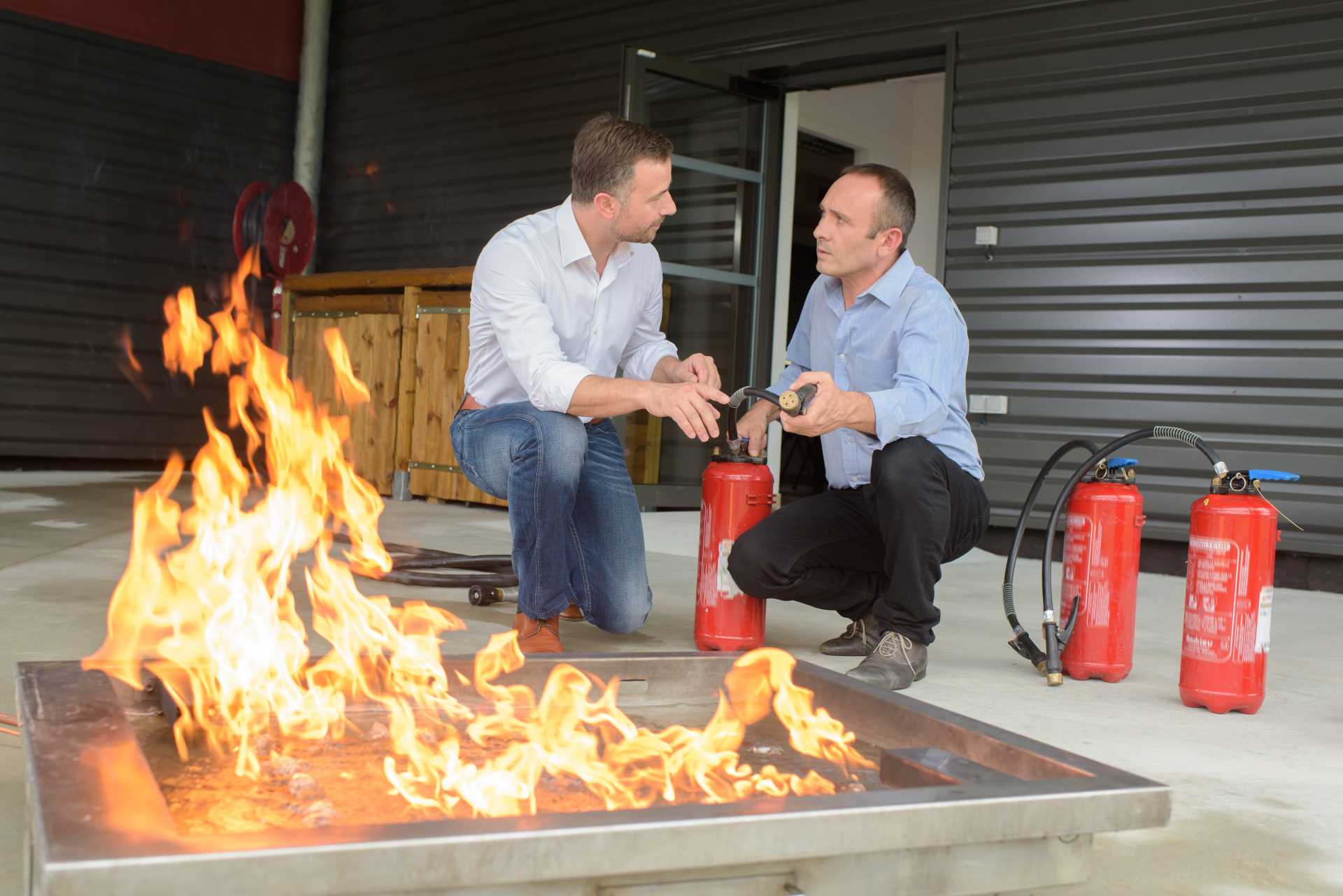
    Fire Safety Awareness teaches delegates a theoretical understanding of fire safety equipment and procedures, including fire extinguisher colour coding, when a fire should and shouldn’t be dealt with, and the purpose of smoke alarms, sprinklers and fire doors. The training is designed for all staff and should be taken annually in order to comply with the Regulatory Reform (Fire Safety) Order 2005.

    Content
    • Course introduction
    • When a fire should be dealt with
    • Safety extinguishing a fire when safe to do so
    • Fire extinguisher colour code meanings
    • Smoke alarms, sprinklers and fire doors
    • Causes of fires and how to avoid them
    • Stopping a fire from spreading if possible

  • Dementia Awareness Training

    Dementia Awareness Training

    Summary:

    Dementia Awareness training ensures that delegates are aware of the sensitivity of dementia and are therefore able to provide appropriate care and support to those with the condition, and their families. They will learn a range of communication techniques which will enable them to respond correctly to the different forms of dementia, whilst empowering and encouraging those with the condition. The course meets recommendations underlined by the Care Inspectorate, Care Standards and is designed for any staff in the social or health care sectors who may come into contact with those with dementia as part of their working role.


    Content
    • Course introduction
    • Remaining compliant
    • what is dementia?
    • Types of dementia
    • providing appropriate care
    • Supporting patients and their families
    • Communication techniques
    • Understanding changes in behaviour
    • Empowering and encouraging those with dementia

  • Infection Control

    Infection Control

    Summary:

    Infection Control training provides delegates with an understanding of the importance of good hygiene in preventing Health Care Associated Infections (HCAI). They will understand how infections start and spread, and how best to act in order to prevent and eliminate them. The course is essential for any staff who work in a care or health setting and ensures that they are meeting industry standards underlined by the World Health Organisation (WHO) and Care standards.

    Content
    • Course introduction
    • Remaining compliant
    • The importance of infection control
    • How infection starts and develops (chain of infection)
    • Germ and infection categories
    • Managing Health Care Associated Infections (HCAI)
    • Hand washing and personal hygiene
    • Meeting occupational WHO standards
    • Personal Protective Equipment (PPE)
    • Minimising and preventing infection

  • Manual Handling Training Courses

    Manual Handling Training Courses

    Summary:
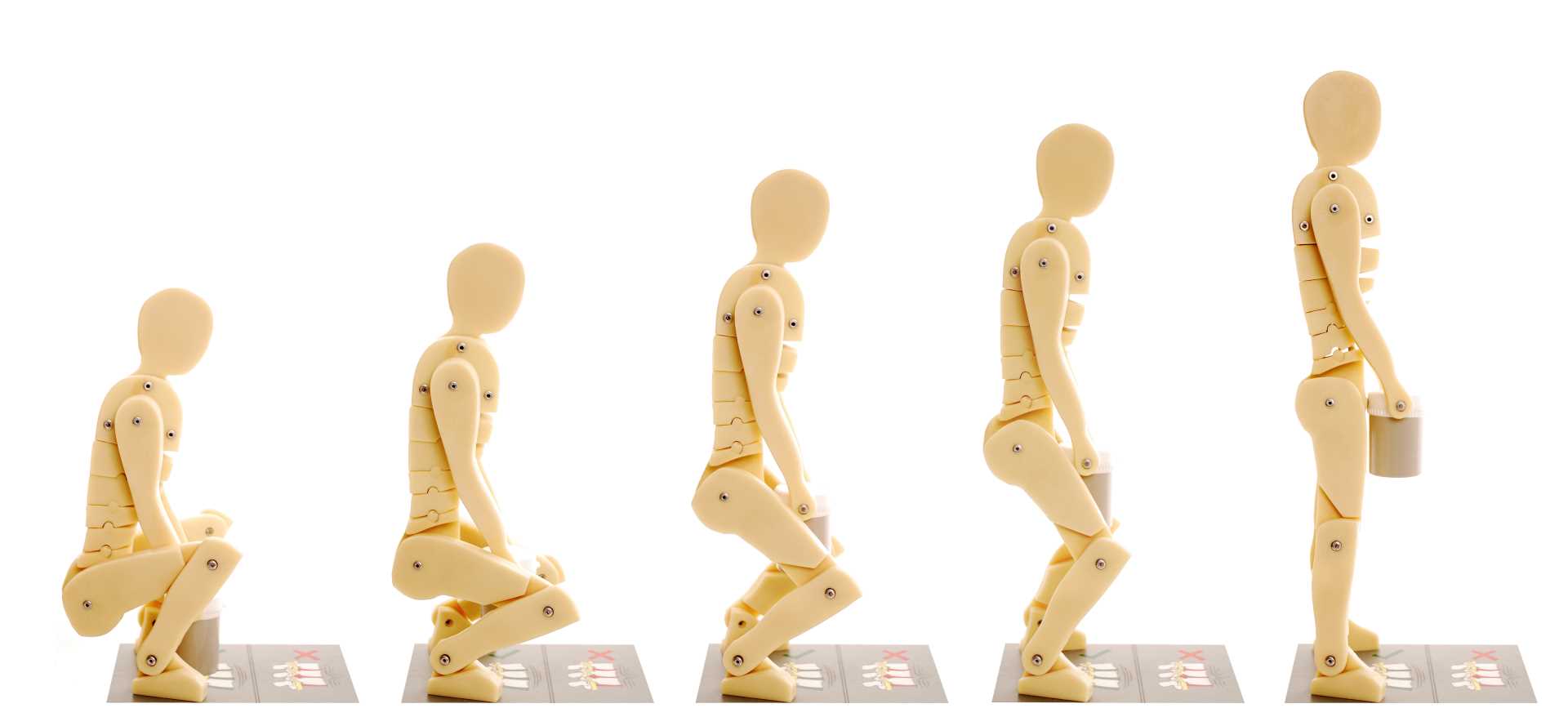
    Manual Handling of Inanimate Objects ensures that delegates hold an understanding of safe techniques to use when lifting and moving objects of varying size and weight, so as to avoid any injury to themselves or others. The training is designed for those who undertake manual handling activities in their working role and it can be customised so that delegates can experience handling objects which they would encounter in their workplace.


    Content:
    • Course introduction
    • Why correct technique is important
    • Manual handling hazards and risks
    • Preventing injury from manual handling
    • Remaining compliant
    • Importance of risk assessment
    • Applying risk assessment to manual handling